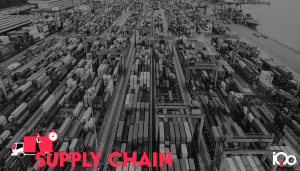
What are the 3 types of Supply Chain models?

What models are Supply Chain and how, at iQo, do we address their transformation issues in response to the ever-changing context? Here are the 3 types of Supply Chain models we've defined, each with its own particularities, requiring specific support.

  • Mass Supply Chain (BtoB)
  • Last Mile Consumer Supply Chain
  • "One shot Supply Chain

Find out more about our expertise in Supply Chain & Operations.

Contents

The changing context of Supply Chain

7 forces are driving companies to review their business processes and models at Supply Chain.

  1. The changing market expectations and a complex complex network with customers

  2. A competition
    and market trends to anticipate

  3. A better understanding of omni-channelling

  4. New opportunities for digitalization andautomation opened up by tech 
  5. A explosion of data
    to be put to good use

  6. From organizations and management that must constantly adapt

  7. A social responsibility to innovate and exploit a Supply Chain positive impact

La Mass Supply Chain

  • It is a Supply Chain ofhyper-specialized companies who must work together to meet recurring mass needs
  • It calls on specialized skills (forecasters, planners, flow, operations, procurement, inventory and transport pilots)
  • Mass Supply Chain must have a positive positive impact and develop collaboration to be efficient, agile, adaptable and scalable.
  • More details here 

Last mile consumer Supply Chain

  • The "Last mile Supply Chain " is the last point of customer contact. It enables us to respond effectively to consumer expectations while respecting the environment.

  • It combines cutting-edgecustomer experienceand last-mile logistics and integrates the constraints and insights of a consumption basin thanks to AI.

  • Hyper-connected, adaptable to customer expectations and sensitive to the quality of life of local residents while respecting local legislation

"One-shot Supply Chain

  • Supply Chain to meet one-off or non-recurring one-off or non-recurring needs clearly defined needs (worksites, events, etc.)
  • It requires advanced skills in complex planning bringing together many complementary players to deliver a common result on "D" day

  • Although every event is different, feedback and feedback and capitalization are essential to improve to improve and enhance the performance of your delivery system.

Supply Chain & Operations

Find out how iQo helps companies meet the challenges of Supply Chain and operational performance.

Contact us

Let's talk about your projects and needs together

Further information

Subscribe to our Newsletter

and receive our latest articles