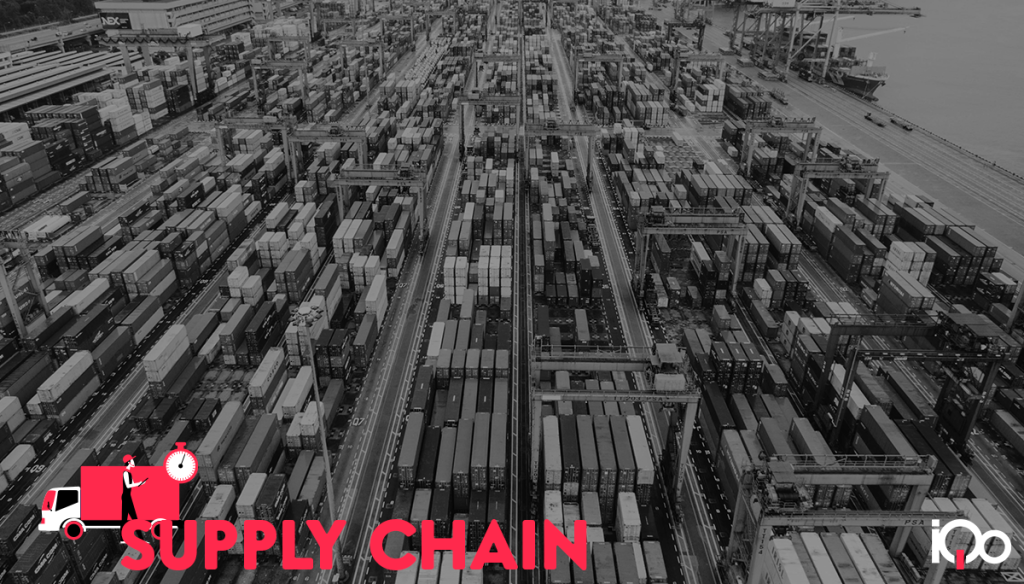

Green supply chain, also known as sustainable supply chain, is a corporate strategy aimed at minimizing environmental impacts throughout the product production and distribution chain. Why and how should you adopt green supply chain ? That's what our experts tell you in this article.
Contents
Green Supply Chain or how to minimize your company's environmental impact
Green supply chain focuses on reducing environmental impacts throughout the supply chain, from the extraction of raw materials to the distribution of finished products. It's a practice that's becoming key at a time when ecological, environmental and energy issues are at the heart of the news.
With the aim of minimizing the company's environmental impact, green supply chain includes:
- raw materials management
- production, using sustainable, environmentally-friendly materials and reducing energy consumption
- distribution, with optimized transport
- waste reduction and elimination or recycling
What are the benefits of Green Supply Chain ?
Green supply chain aims to integrate sustainable practices into companies' supply chains, with major benefits in store.
- Reducing costs
- Integrating the approach into CSR and marketing strategies
At iQo, we place Positive Impact at the heart of our consulting model. Our offer in Supply Chain helps companies adopt the most advanced Green practices Supply Chain.
Green supply chain offers many benefits for companies, including cost reduction, regulatory compliance and consumer satisfaction.
Reducing costs
Implementing a green supply chain not only cuts costs by limiting energy and resource consumption, but also helps to comply with current environmental regulations and meet consumer expectations in terms of sustainability. Reduce the total cost of the production chain involves :
- recyclable raw materials
- manufacturing processes that limit water and electricity consumption
- eco-responsible packaging
- energy-efficient transport solutions
CSR Strategy and Marketing
Implementing a green supply chain program should not be seen as a constraint, but rather as a strategic choice that commits the company to acquiring competitive advantages.
By showing that the company cares about the quality and sustainability of its products, it's a key and expected argument in the company's communication and marketing.
Be careful, however, not to fall into the traps of greenwashing !
How to adopt Green Supply Chain ?
Green supply chain must be part of a global approach to preserving the environment and reducing the company's carbon footprint. To achieve this, companies must
- evaluate their supply chain
- identify environmental sticking points.
For example, a study of energy consumption can identify opportunities for improvement in terms of energy efficiency.
Similarly, an analysis of waste management enables us to implement reduction and recycling strategies.
Include suppliers and partners in your Green approach Supply Chain
Collaboration with suppliers and partners, in particular with a view to achieving the following objectivesProcurement Responsibleis also crucial to the implementation of a green supply chain.
It involves the active participation of all players in the supply chain, including suppliers, transporters, manufacturers, distributors and retailers.
Each of these players is responsible for implementing measures to reduce the environmental impact of their activities, while guaranteeing product quality and profitability. By working together, companies can pool efforts and resources to achieve common sustainability goals.
The use of "intelligent" inventory, supply and transport management software(Transport Warehouse Management Systems) should optimize the management of goods flows.
Further information

What are the 3 types of Supply Chain models?
Which models are Supply Chain and how, at iQo, do we address their transformation issues in response to the ever-changing context? Here are the
Supply Chain : les dernières tendances et innovations
Innovation means inventing, creating, renewing and finding, sometimes simply by relying on common sense and existing practices. Innovation gives rise to new concepts and products,
The growing risks of Greenwashing and Purpose washing
The climate emergency and the search for meaning and responsible brands are driving companies to multiply their initiatives, not only to do no harm, but above all, to ensure that the environment is protected.